
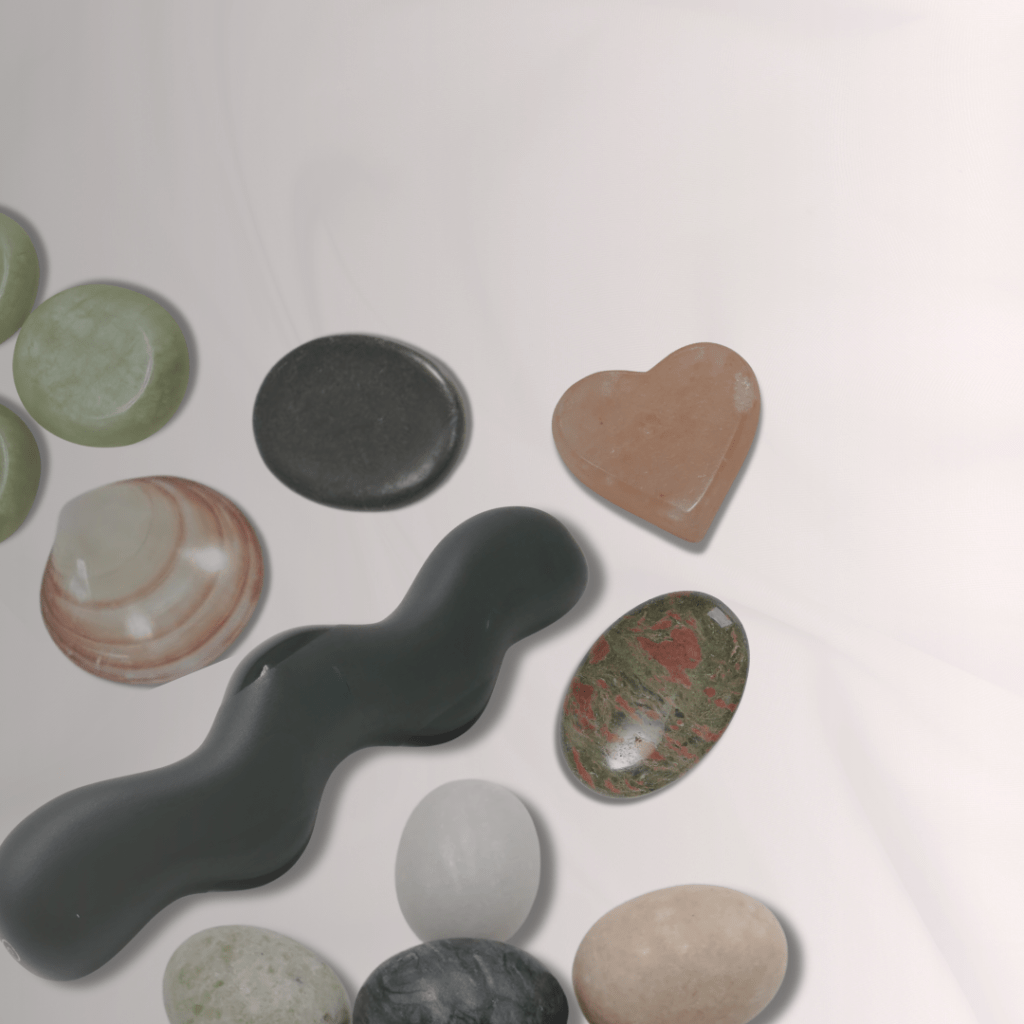
Hot stone therapy has evolved far beyond its early days. What began with heavy basalt stones and bulky heaters has grown into a wide range of options: ceramic, soapstone, electric shells, Himalayan salt, and even jade or marble stones.
But more choice can also mean more confusion:
At a Glance: Quick Comparison Table

Which stones truly support your work, not just today, but for the years ahead?
This guide takes an honest, therapist-centered look at every major hot stone type on the market. It is not about trends. It is about understanding what each tool does to:
- Your hands and body over time
- Your clients’ experience
- Your session flow and setup
And yes, there are subtle reasons some stones stand out more than others.
Let’s take an honest look…
1. Basalt Stones: The Classic Foundation
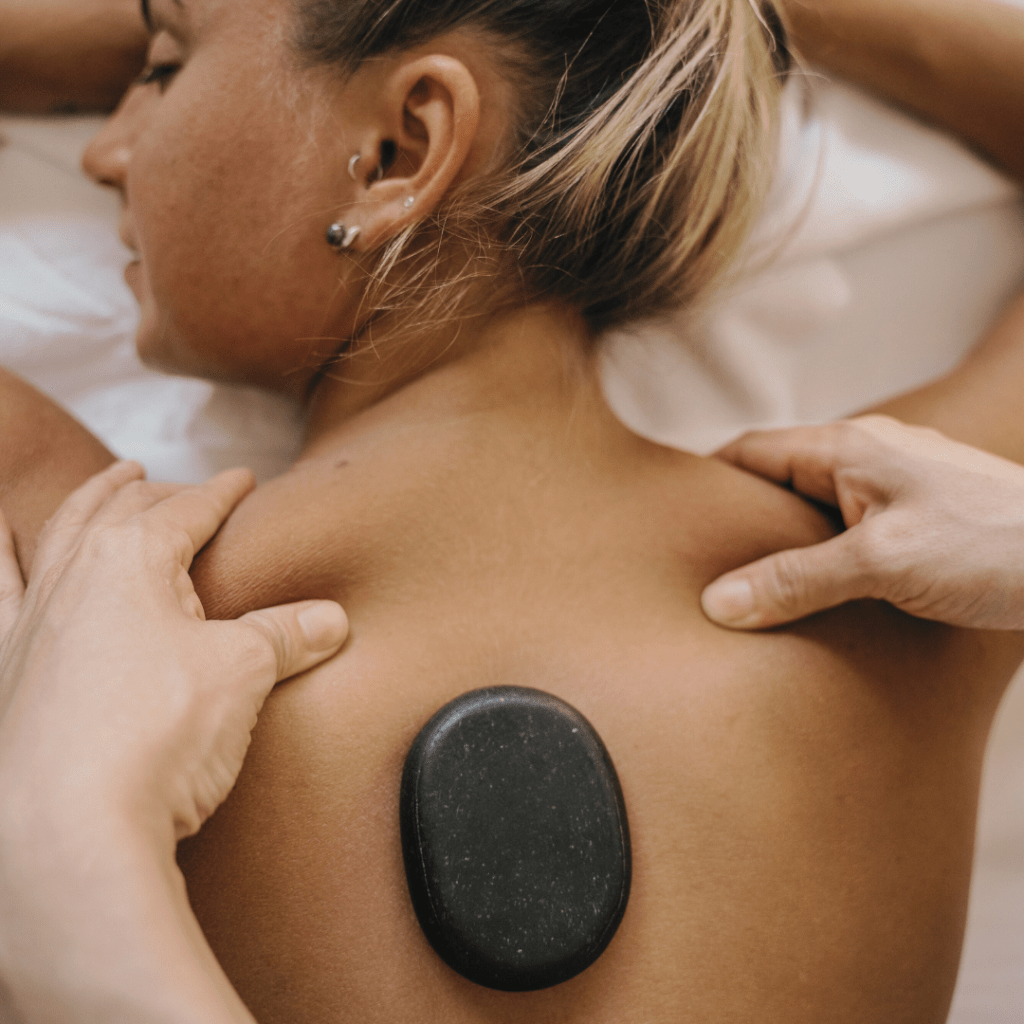
Basalt stones are volcanic rocks rich in iron and were the first widely used tools for hot stone massage, they are still industry standard in many spas.
Therapist Perspective
- Strengths:
- Designed as a layering tool to be placed on the body
- Durable, long-lasting material
- Basalt stone is used in a wide variety of water heating devices on the market.
- Familiar protocols and training available
- Challenges:
- Heavy; extended use can strain wrists, thumbs, and small joints
- Requires water bath heaters (setup, cleanup, sanitizing, drying)
- Slippery when oiled, increasing grip tension
- Laborious cleaning process
Client Perspective
Some clients find basalt stones, too intense or heavy, especially those who are more sensitive or prefer lighter touch work.
Long-Term Considerations
Basalt can be a workhorse stone, but its weight, water-based setup, and maintenance may add hidden strain to a therapist’s body and schedule.
2. Synergy Stones (Ceramic Tools): Modern Sculpted Heat

Synergy stones are shaped ceramic tools designed to combine heat with ergonomic sculpting. They are intended to reduce hand fatigue and allow for deep-tissue techniques.
Therapist Perspective
- Strengths:
- Lightweight compared to basalt
- Sculpted edges reduce direct thumb pressure
- Heats evenly and retains warmth well
- Challenges:
- Not every shape feels natural; some can be awkward to hold
- Higher initial investment
- Ceramic surfaces chip if dropped
Client Perspective
Smooth, consistent warmth. Sessions often feel precise and structured, but some clients notice a “less natural” sensation compared to organic stones.
Long-Term Considerations
Ceramic stones can extend a therapist’s career by reducing direct joint strain, but they lack the grounding, intuitive feel many therapists (and clients) seek.
3. Lava Shells: Portable Heat on Demand
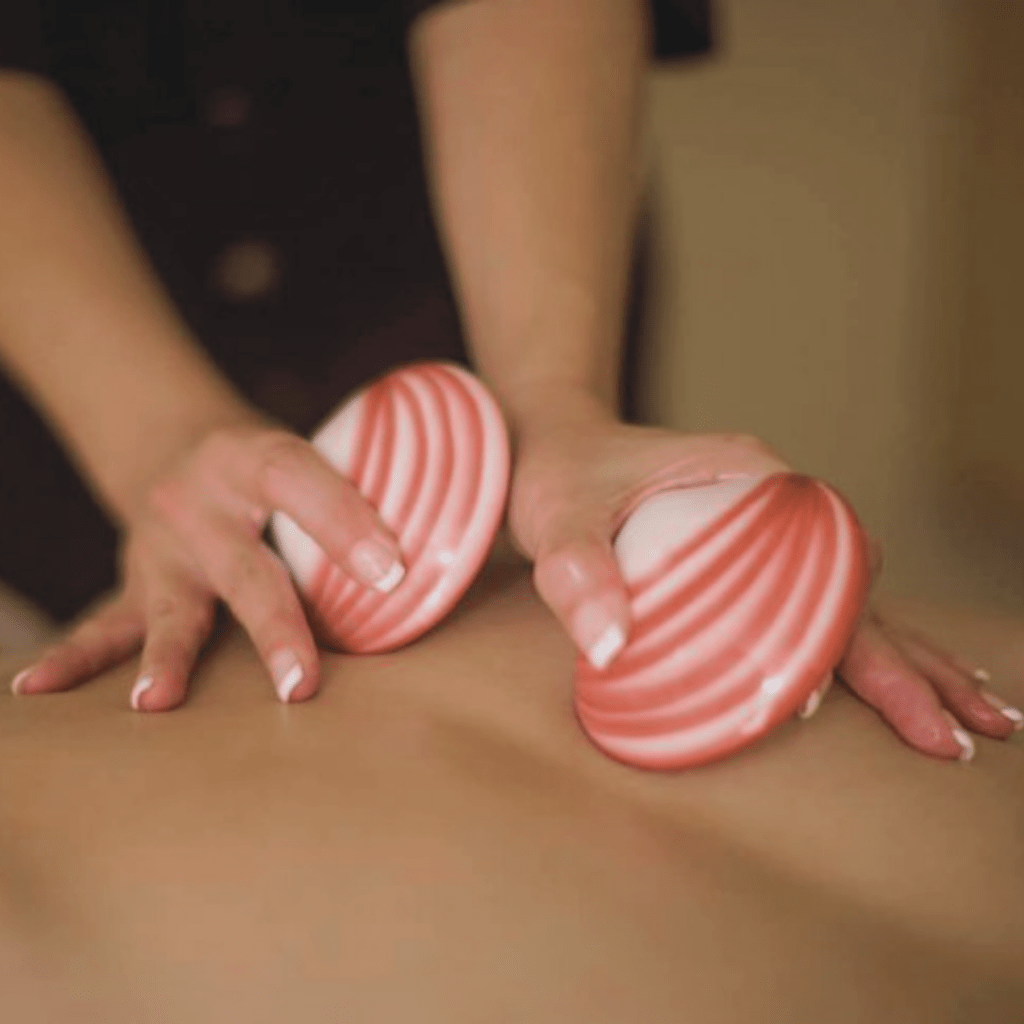
Self-heating shells became popular for mobile therapists and spas looking to avoid water heaters altogether. They use disposable heat packs placed inside polished shells.
Therapist Perspective
- Strengths:
- No bulky equipment
- Easy to transport; quick to set up
- Minimal cleanup
- Challenges:
- Fixed heat levels; limited control
- Ongoing expense (heat packets)
- Not ideal for sustained, full-body protocols
Client Perspective
Clients feel gentle surface warmth, perfect for relaxation, but shells often lack the depth required for therapeutic muscle work.
Long-Term Considerations
Best for occasional or travel-based sessions. Less suited for therapists who rely on hot stones as a core technique.
4. Soapstone (Core Stones): Smooth but Short-Lived Heat
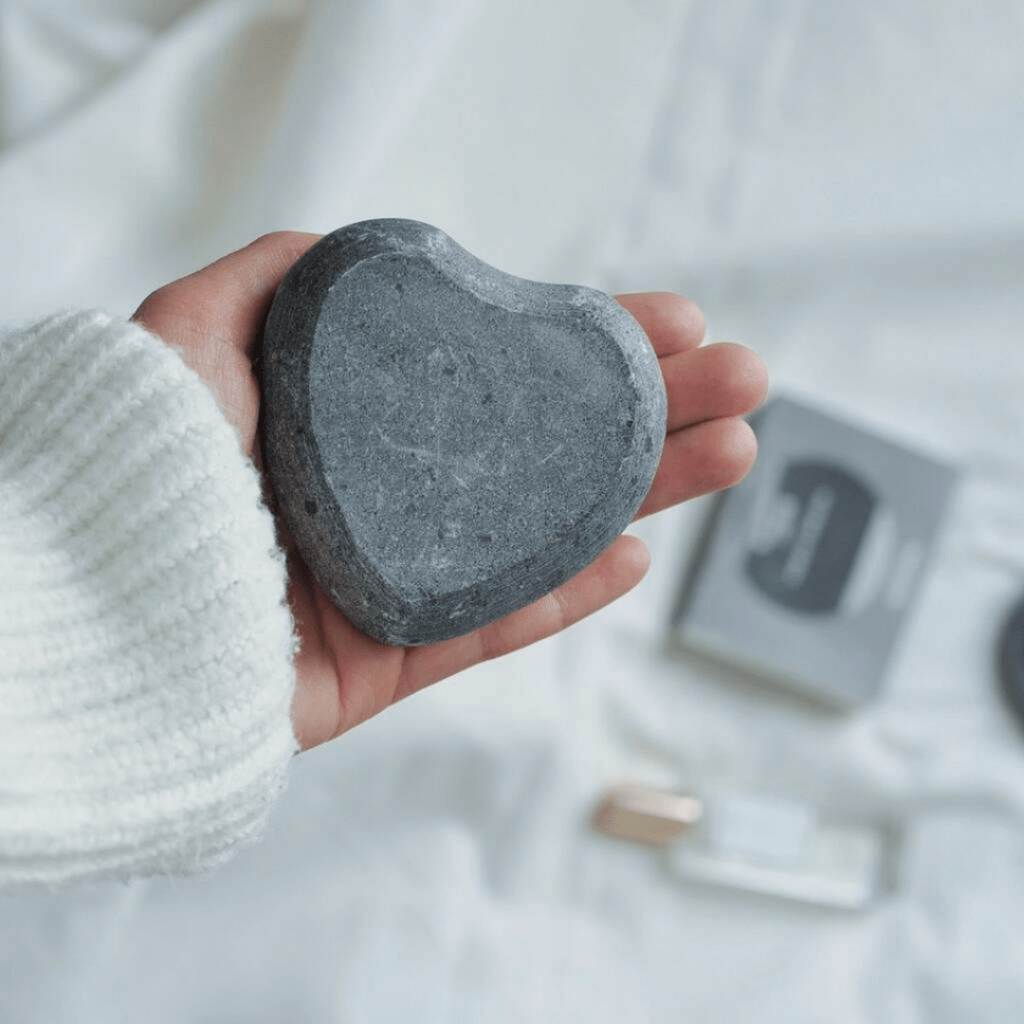
Soapstone stones, sometimes branded as “Core stones,” are softer than basalt and hold moderate warmth. They have a pleasant, natural feel but require frequent reheating.
Therapist Perspective
- Strengths:
- Lighter weight than basalt
- Smooth texture; easy to hold
- Easier to clean (wipe down)
- Challenges:
- Cool faster; interrupts session flow
- Bulkier shapes may not suit smaller hands
- Can chip or wear down with frequent use
Client Perspective
Gentle warmth and a soothing, natural feel. However, frequent pauses to reheat can break the client’s relaxation rhythm.
5. MedStone: The Electric Single-Stone Option

MedStone devices are single heated tools powered by electricity, designed for targeted deep-tissue heat.
Therapist Perspective
- Strengths:
- Precise temperature control
- No water or roaster needed
- Challenges:
- Only one stone; limited to point work
- Higher cost
- Tethered by a cord
Client Perspective
Good for focused work as needed, not a full-body experience.
6. Himalayan Salt Stones: Ergonomic Heat with Added Benefits
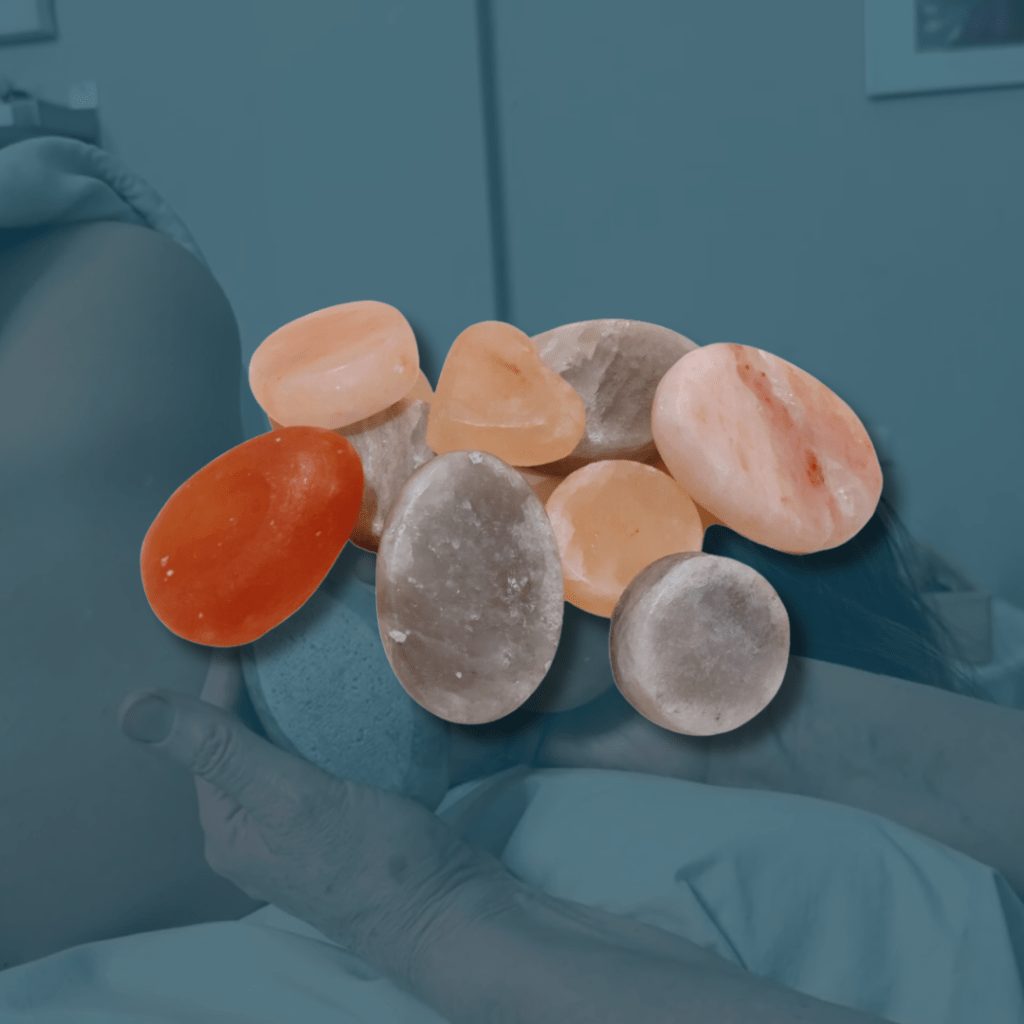
Twenty three years ago, Lorenne (co-founder of Signature Salt) first cut and carved Himalayan salt stones for massage. She saw the possibility of combining heat therapy with something more natural, lighter, and nourishing.
Misconception
A common misconception about salt stones is that they’re meant for exfoliation but they’re not, and they don’t have to be. Their real value lies in their mineral content, therapeutic warmth, and ergonomic design, making them both restorative and practical for massage therapists.
Therapist Perspective
- Strengths:
- Lighter than basalt; easier on joints
- Crafted with 84 trace minerals naturally found in the human body, making every session both nurturing for your hands and healing for your client.
- Ergonomic shapes fit the palm naturally
- No water bath; quick, dry heat setup
- Remain smooth when properly cared for
- Challenges:
- Requires correct storage to avoid moisture damage
- Salt stones need a temperature-regulated environment as they are hygroscopic and can absorb moisture
- Needs regular conditioning with jojoba oil for protection.
Client Perspective
Salt stones are:
- The ONLY hot stone in the market infused with 84 trace minerals, nourishing for your hands and deeply beneficial for your client’s body.
- Warm but not overpowering heat
- A grounding, calming sensation clients often describe as “different” or “alive”
Long-Term Considerations
When maintained correctly, salt stones last for years, reduce therapist fatigue, and create a unique client experience without adding setup stress.
Related: Discover the Benefits of Salt Stone Massage
7. Jade Stones: Energetic Tradition

Jade stones are used more often in Eastern bodywork traditions. They are believed to have balancing or energetic qualities rather than superior heat properties.
Therapist Perspective
- Low heat retention; frequent reheating required
- Heavier than expected; limited ergonomic shapes
Client Perspective
Clients may appreciate the cultural or energetic meaning, but for pure heat therapy, jade stones do not hold warmth as long.
8. Marble Stones: Cool Contrast
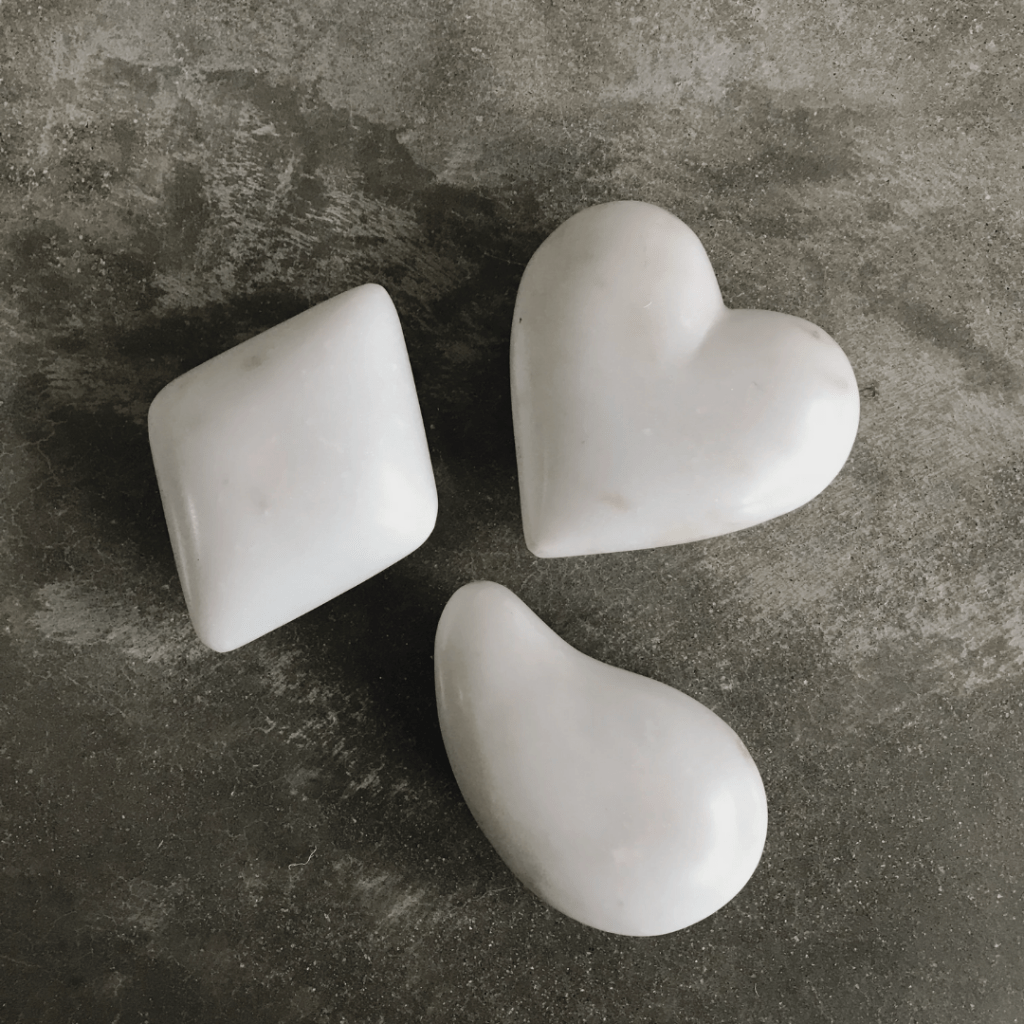
While not technically “hot stones,” marble stones are often paired with basalt for contrast therapy, applying cool to reduce inflammation.
Therapist Perspective
A specialty tool, not a standalone hot stone.
Client Perspective
Refreshing in hot–cold protocols but not a replacement for a heated stone.
9. River Stones / Beach Stones: Natural and Unprocessed

These are the original “stones” some therapists experimented with before commercial basalt sets. They are smooth but inconsistent.
Therapist Perspective
- Vary in weight and shape; hard to standardize
- Poor heat retention compared to basalt or salt
Client Perspective
Can feel grounding but often cool too quickly to be effective for sustained heat therapy.
How to Decide Which Stones Are Right for You
Ask yourself:
- Do I want to spend more time preparing stones or working with clients?
- How do my hands feel after a full day of sessions?
- What kind of experience do I want clients to have: pure heat, or something more nourishing?
Choosing the best stones depends on your:
- Session style
- Time available for setup and cleaning
- Desire to protect your hands from fatigue
- Client goals (relaxation vs. deep therapeutic work)
The Quiet Shift Toward Himalayan Salt Stones
We are not saying to throw away what you have. Every tool has its place. But therapists who transition to salt stones often find:
✔ Their hands feel less fatigued
✔ Their setup and cleanup times shrink
✔ Clients notice the difference without knowing why
Every hot stone type has its place in massage therapy. The right choice depends on your hands, your practice flow, and the kind of experience you want to create for your clients.
If you are currently using basalt or other stones and find yourself wanting something lighter, easier to maintain, and more nourishing for both you and your clients, Himalayan salt stones might be worth exploring.
Want to see how they fit into your work?
Check out our guide on caring for and integrating salt stones into your sessions →
RELATED POSTS:
How Himalayan Salt Stone Massage Benefits both Client and Therapist?
Discover the Wellness Benefits of a Himalayan Salt Stone Massage
How do you clean your Himalayan salt stones?
 Salt Stone Massage
Leave a comment